
March 04, 2026
What Makes Good Public Transport? Three Qualities Every City Needs
Public transport is more than a way to get from point A to B — it is the backbone of urban life.
Download ITDP’s Building Better Public Transport Systems: Public Transport Principles brief.
In the first part of this article series centered on ITDP’s public transport principles, we defined public transport as the foundation of urban infrastructure. Reliable, clean, and accessible transport systems connect people to opportunity, help to reduce emissions, and makes cities more equitable for all. But what exactly makes a public transport system ‘good’? For ITDP, there are three essential qualities — Good Service, Zero Emissions, and Accessible to Everyone — that make the difference between systems that simply move people, and those that move entire cities forward.
High-quality public transport is the heart of inclusive, resilient, and low-carbon cities. When designed, managed, and funded effectively, public transport does more than move people; it helps cities meet environmental, economic, and social goals. As cities face mounting challenges from climate change, air pollution, and widening inequality, good public transport stands out as one of the most powerful tools for sustainable urban growth — only if it is built around the three aforementioned qualities.
1. Good Service: Reliable, Frequent, and Integrated
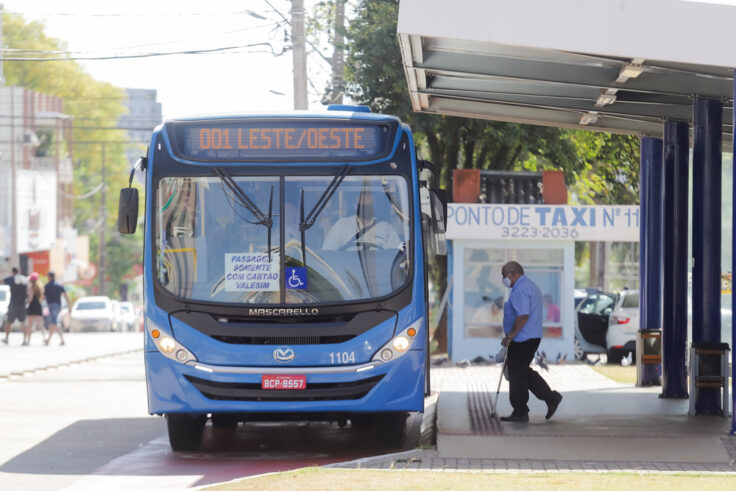
At its core, good public transport is defined by reliability. To serve as a true backbone of urban mobility, transport must be frequent, fast, and dependable, and available when and where people need it. Reliable service gives people the confidence to leave their individual vehicles at home. This means buses and trains that arrive every few minutes, even during off-peak hours, and networks that connect seamlessly across modes — whether it be buses, metro, light rail, or shared mobility. Such reliable and connected service is all the more important for transit-dependent communities (women, lower-income people, older people, people with disabilities, etc.) because it allows them greater mobility options and independent access to jobs and services.
Integration is also key: a well-coordinated system enables easy transfers, unified ticketing, and predictable travel times. Thus, fast and efficient service depends on thoughtful system operation, design, and prioritization. Dedicated lanes, rapid boarding systems, and intelligent traffic management can drastically cut travel times and improve the passenger experience. Equally important is consistency: transport that runs on schedule regardless of weather, congestion, or time of day. Reliability is not just a technical feature — it helps build public trust. When people know they can depend on public transport for their daily needs, ridership grows, congestion declines, and cities become more livable for everyone.
Learn more about ITDP’s vision for increasing public transport ridership in cities worldwide.
2. Zero Emissions: Clean, Modern, and Future-Ready
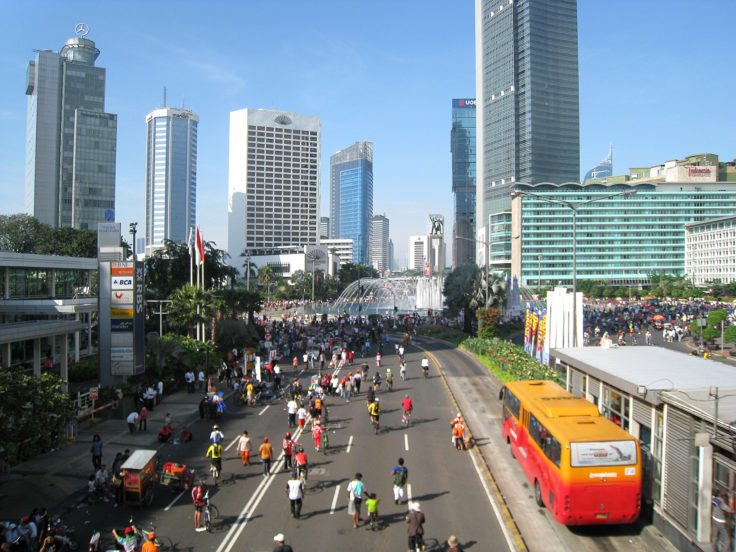
Good public transport is also environmentally responsible and beneficial to public health. As cities now account for more than 70% of global greenhouse gas emissions, aligning urban transport systems with climate and air-quality goals is essential for now and the future. This means transitioning to zero-emission fleets, supported by clean energy infrastructure and sustainable operations. Electric buses, metros powered by renewable energy, and efficient transport hubs represent the future of urban mobility. Electrification offers multiple benefits: it reduces air and noise pollution, cuts operational costs, and enhances passenger comfort.
In cities from Shenzhen to Santiago, electric bus fleets have already demonstrated that cleaner vehicles can deliver major health, environmental, and economic advantages. As passenger transport remains one of the most significant sources of harmful air pollutants worldwide, it is imperative for cities to reduce emissions from their mobility sectors. Only by electrifying transport can this issue be cohesively addressed in our cities.
However, relying on just technology alone is not enough. A successful shift to zero emissions requires coordinated investment, stronger institutions, and long-term planning. Cities must integrate electrification into broader mobility strategies that also prioritize walking and cycling, while rethinking transit routes, land-use, and energy supply chains to ensure systems remain resilient and equitable. By embracing clean transport, cities not only mitigate climate impacts but also make daily commutes healthier, quieter, and more enjoyable in the long-term.
Watch this ITDP webinar on the qualities of good public transport systems.
3. For Everyone: Inclusive, Affordable, and Safe
The third hallmark of a good public transport system is inclusion. A system that works only for some is not truly public. High-quality transport must remove physical, social, and economic barriers, ensuring that everyone, regardless of income, gender, age, or ability, can travel safely, easily, and with dignity. Achieving this vision requires deliberate design and governance choices. Fares must be affordable, routes must reach underserved neighborhoods, and infrastructure and operations must be reliable and accessible to people with disabilities, older adults, and children and caregivers. Universal design measures such as level boarding, tactile paving, clear signage, and audible information ensures usability across the entire travel chain.
Equity also means representation. Diverse participation in planning and decision-making helps ensure systems reflect the needs of all users. Extending service hours for night-shift workers, improving lighting and security, and offering multilingual communication tools can significantly expand who benefits from public transport. When inclusion is prioritized, public transport becomes more than a mobility service. It becomes a social equalizer and a platform for shared prosperity.
A Shared Vision for Good Public Transport
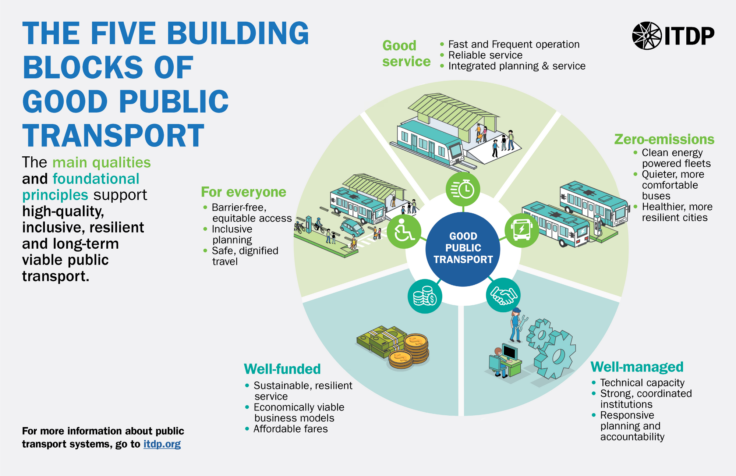
Cities that deliver reliable, zero-emission, and accessible public transport are building the foundations for a more sustainable and equitable future. These three qualities work together to strengthen social cohesion, drive economic growth, and support resilience to climate and air quality challenges. Public transport is so more than just the physical infrastructure or technology. ITDP’s public transport principles offer a framework and foundation for policymakers, researchers, and stakeholders to align on a common understanding of ‘good public transport’, ensuring the long-term success of all urban systems.
Subscribe to ITDP’s newsletter for more articles that explore the qualities of good public transport and the ways in which cities can improve service and reliability with shared foundations.