February 17, 2026

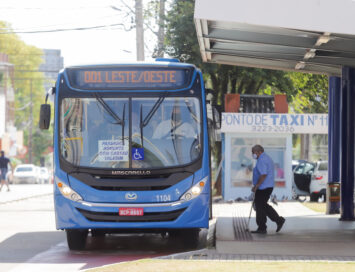
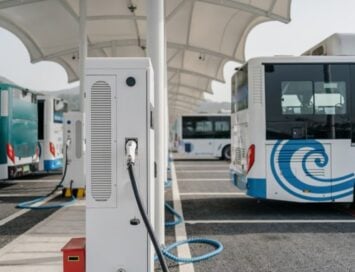
Public transport has the power to connect cities or to push them apart. Well-designed and well-managed transport systems are fast, comfortable, affordable, and most importantly, accessible. Transport systems can ensure access to urban opportunities, including leisure activities, productive work, and public facilities. As cities grow and diversify, public transport systems often combine different modes — rapid transit, local buses, and paratransit — to meet evolving mobility needs. Currently, a major challenge is to prioritize public transport investment. In this context, new vehicle technologies should be used to enhance the public transport system, making it more accessible and energy efficient. See ITDP’s work on public transport electrification and funding sustainable transport at scale.
Safe, high-quality public transport offers a viable alternative to private vehicle ownership, which is a major driver of socioeconomic disparity and a major contributor to climate change in cities worldwide. Transportation is the fastest-growing source of global climate emissions and the largest single source of black carbon from gas and diesel engines, which is particularly damaging to respiratory health. Shifting from single-occupancy private cars to high-capacity, zero-emissions transport corridors would drastically cut emissions, eliminate traffic congestion, and better connect low-income communities to the opportunities and resources they need.
The goal of ITDP’s Public Transport Program is to promote sustainable transport as a principal driver of sustainable, livable cities, recognizing that public transport is a key element in ensuring access to the city’s opportunities. At ITDP, we believe that good public transport doesn’t happen by chance. It requires strong institutions, long-term investment, clean energy, and inclusive planning. That’s why our Public Transport Program works with governments, operators, and communities to advance public transport systems to have the main qualities and foundations:
ITDP’s Public Transport Program supports cities and regions in developing integrated, high-quality public transport networks that are effectively connected to other modes of transport, such as walking and cycling. ITDP uses technical knowledge accumulated through the experience of our regional offices (Africa, Brazil, China, India, Indonesia, and Mexico) to support government officials and society, and to inspire excellence in implementing good-practice solutions and in promoting their potential for replication.
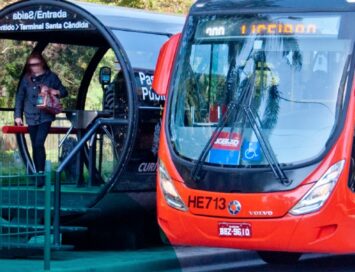
Over the past 20 years, ITDP has conducted research and developed guidance for public transport systems, with an emphasis on planning effective BRT corridors as a powerful backbone of high-quality public transport. ITDP’s work to develop high-quality public transport helps cities meet their residents’ needs, improves quality of life, and supports a thriving urban environment. As the world’s populations move to cities at an accelerating rate, the demand for sustainable transportation will only increase, and the need for better public transport will also grow.
Read more about ITDP’s 2030 Strategy target to Massively Increase Public Transport Ridership.