
July 10, 2026
Ahead of Brazil’s 2026 Elections, Improving Public Transport Should Be A Priority
In October 2026, Brazil will hold general elections for the president, vice president, members of the National Congress, governors, vice governors, and legislative assemblies of all states.
These elections will shape regional political, social, and investment priorities for years to come. One central issue in the federal and state campaigns is urban mobility: officials must decide whether to continue fuel-intensive, polluting models amid a global energy crisis or choose to prioritize sustainable and equitable public transport. In this context, it is essential to determine whether an influential nation like Brazil will adopt measures that perpetuate even greater dependence on volatile fossil fuels or implement crucial policies that ensure stable funding for public transit, expand service availability, and promote electrification.
Choosing electric public transport is both more socially equitable and more energy-efficient than relying on the instability of fossil-fuel subsidies, which have proven economically and environmentally harmful worldwide. Beyond this, other key challenges require actions and decisions from policymakers that structurally address the growing crises facing public transport systems in recent decades. A lack of effective public policies in Brazil—including inadequate funding for public transport and active modes of travel—has shifted travel patterns, encouraging greater use of polluting, unsustainable private vehicles.
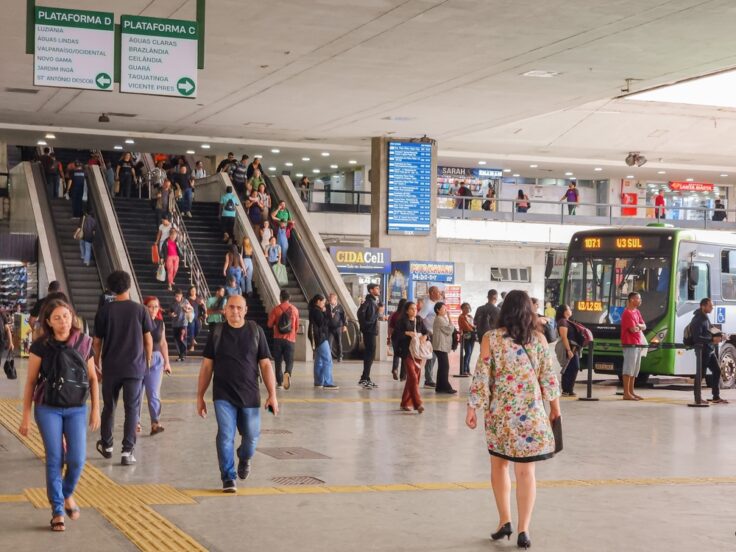
Learn more about ITDP’s vision for improving public transport systems worldwide.
In addition to adding to the financial imbalance of public transport and its negative emissions impacts, the increased use of private vehicles, such as two-wheelers, contributes to an increasingly high number of traffic fatalities—particularly among motorcyclists—which, in 2024 alone, resulted in hospitalization costs exceeding an estimated R$ 250 million for the Unified Health System (SUS).
Thus, to highlight the importance of sustainable public transport in the upcoming elections, ITDP Brazil has developed a policy brief (available in Portuguese) that outlines proposals to increase public transport ridership in Brazilian cities. The brief is divided into four proposals that work together to improve the quality and appeal of public transit. Some key considerations and challenges for improving public transport include:

Most people make long trips to reach jobs, public services, and recreational activities.

Fares are not aligned with the income levels of public transport users.
 Women, children, people living in poverty, Black people, older adults, and people with disabilities face greater challenges when getting around.

The high number of traffic fatalities is a key concern of the public, especially pedestrians and cyclists.

Transportation infrastructure is not located near where most people live.

Transportation pollutes, harms the environment, worsens air quality, and compromises people’s health.
According to Clarisse Cunhe Linke, executive director of ITDP Brazil, “Our policy proposals are essential to minimize the difficulties most of the Brazilian population faces in accessing the city, improve the insufficient and precarious transportation infrastructure, and rethink the high cost of fares. In this report, the solutions address challenges that daily undermine the population’s quality of life, especially for poor and Black people, who are the primary users of public transit services.”
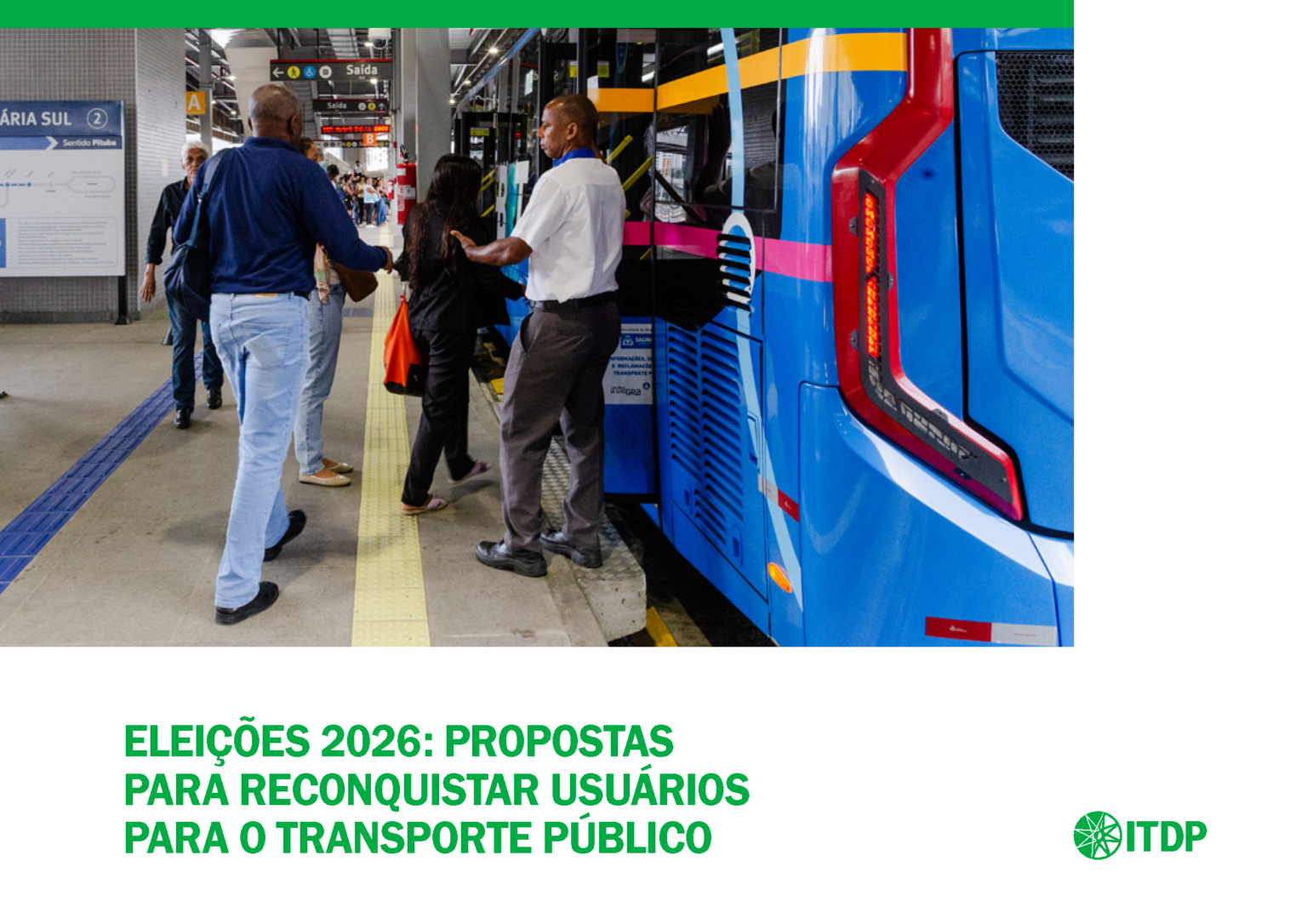 So what needs to be done to increase ridership on public transport in Brazil?
- ENSURE A HIGH-QUALITY, ACCESSIBLE, AND FINANCIALLY SUSTAINABLE SYSTEM
- ENABLE ELECTRIFIED, WELL-FUNDED, AND EQUITABLE SYSTEMS
- PROMOTE SAFE TRAVEL FOR ALL PEOPLE
- DISCOURAGE THE USE OF PRIVATE VEHICLES
The brief further outlines a series of actions that Brazilian officials and administrations need to consider to achieve these proposed goals. These transformations require a shift in urban management and planning, with coordinated actions that place reducing inequality in access to transportation at the center. However, sound guidelines and plans can only be implemented when accompanied by adequate financing mechanisms.
Sustainable urban mobility policies therefore depend on governments’ ability to mobilize, allocate, and manage financial resources strategically and consistently over time. This ranges from funding infrastructure and transportation operations to supporting technological innovations, climate mitigation and adaptation programs, and instruments to promote social equity. Brazil’s upcoming elections present a crucial opportunity for future leaders to prioritize well-managed, well-funded public transport solutions over politics.
By committing to comprehensive policies and long-term financing, decision-makers can improve urban mobility, reduce inequality, enhance economic opportunity, and ensure better lives for all Brazilians.