
January 06, 2026
Unlocking Better Bus Service Starts with Electric Buses
A version of this article was originally published in the No. 36 issue of the Sustainable Transport Magazine.
By Jacob Mason and Beatriz Rodrigues (ITDP Global)
Buses are the backbone of public transport. Yet in many cities, especially in low- and middle-income countries (LMICs), bus services remain slow, unreliable, crowded, and poorly coordinated. Older, polluting vehicles further discourage ridership and worsen air quality. Electric buses offer a powerful opportunity to cut emissions while improving the quality, reliability, and integration of bus networks worldwide. But this transformation will not happen automatically. Here is why cities, governments, and communities everywhere should be excited about the large-scale shift to e-buses — and what different stakeholders must do to make it a success.
E-Buses Are Better Buses
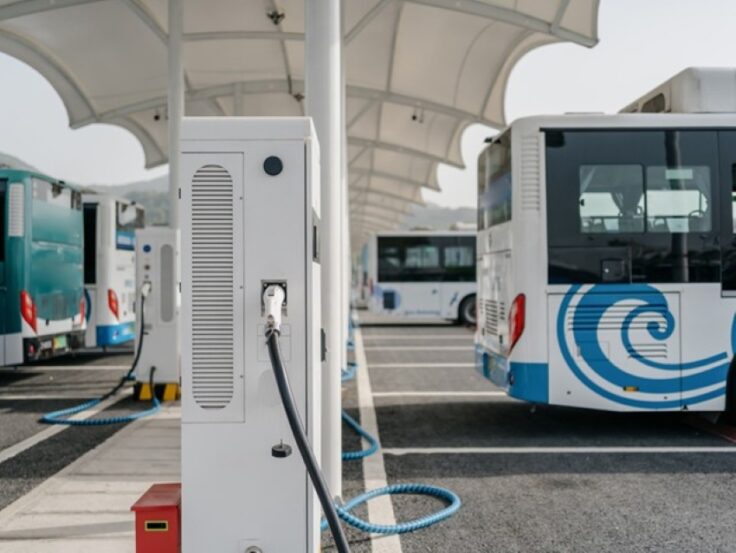
Most buses still run on diesel engines, producing harmful emissions that worsen air quality, especially in LMICs. While cars emit the most overall, diesel buses also release high levels of nitrogen oxides (NOx), which contribute to respiratory illness and secondary pollution. E-buses, in contrast, use energy more efficiently and generate far fewer emissions, even when powered by fossil fuel-based electricity. E-buses also deliver a smoother, quieter, and cooler ride, improving comfort for passengers and drivers alike. Most feature air conditioning and low-floor designs that make boarding easier for older adults and people with disabilities. Riders are often willing to wait longer or pay more just for the comfort and reliability of an e-bus.
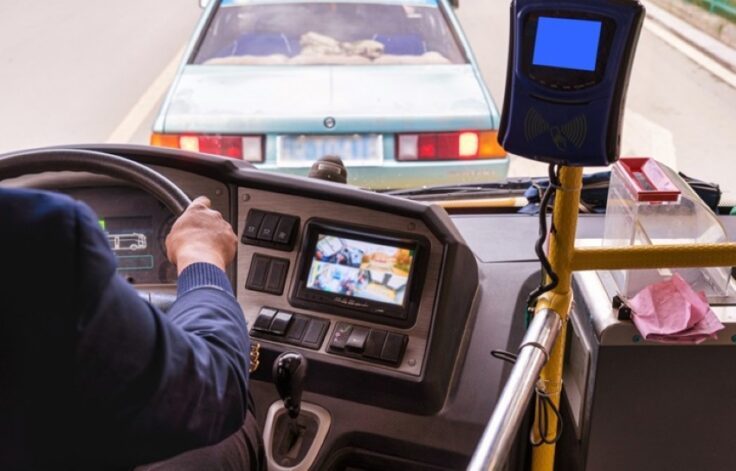
Cleaner operations also benefit residents living near bus depots, who have long endured the negative effects of air pollution. Equipped with modern technologies like automatic vehicle location (AVL) and digital payment systems, e-buses can make trips easier to plan and track in real time. Digital payments through smartcards or mobile apps reduce cash handling and improve safety, while helping operators manage routes and revenues more effectively.
Learn more about ITDP’s strategic vision for increasing ridership on well-funded, electric public transport systems.
E-Buses Support New Economic Models
A major reason why bus service is poor in so many places is related to the economics of public transport. The costs of operating a high-quality service are not well balanced by the revenues generated by that service, especially when trying to make it affordable for everyone. In most high-income countries, this problem is addressed by providing generous operating subsidies, which aim to keep fares low and service quality high.
Without subsidies, even where demand is high, profit margins are often small. To ensure profitability, many operators reduce their costs by delaying vehicle maintenance, hiring fewer or less experienced drivers, and only serving the most profitable routes. The operator’s decisions, while logical from an economic perspective, lead to lower-quality service. In LMICs with limited government resources, even where rules exist to prevent this behavior, enforcing them can be challenging.
Electrification can change these economics. Per unit, the up-front cost of e-buses is still much greater than that of diesel buses given the high costs of batteries, which can be as expensive as a diesel bus. However, the dramatically lower costs of maintenance (fewer engine parts and thus less maintenance) and lower fuel costs (electricity is cheaper than diesel) mean that the total cost to operate e-buses (up-front costs, plus all operational costs, minus resale value) is about the same or lower than that of diesel.
When many e-buses are procured together, per-unit costs can also go down, making the total costs slightly lower. Despite these benefits, a small operator with limited credit may still struggle to buy an e-bus. Fortunately, the climate benefits of bus electrification are also now attracting climate investors to the public transport space. Unlike most small-scale transport operators, climate investors have access to substantial funds and can assume higher risks associated with purchasing an expensive e-bus.
This has led to the formation of new companies that separate e-bus (and, in some cases, battery) ownership from operations. The use of electricity as an energy source has also attracted some utility companies to invest in e-buses to ensure steady, continued demand for electricity. In East Africa, for example, the e-bus company BasiGo uses an asset leasing structure where the company buys, owns, and maintains e-buses, which it then rents to local operators who operate them on a ‘pay-as-you-drive’ model. By buying buses in bulk, BasiGo reduces the procurement costs.
Because fuel, operations, and maintenance costs are lower, the cost of renting and operating an e-bus has become more attractive to local operators, who can then focus on what they do best: driving. Furthermore, by using e-buses equipped with AVL and digital payment technology, BasiGo can operate them as planned and get first access to fare revenue to ensure that their rental payments are made, reducing economic risks. The operators can then retain the rest of the fares as profit. Because they must also cover the costs of any damages, operators now have a financial incentive to keep the buses in good working order.

The Critical Role of Governments
However, there are still issues to work out with this new type of ownership model. For one, operators may still be incentivized to run overcrowded buses on the most profitable routes. Many operators and asset leasing companies also struggle to procure e-buses and build out depots at scale. This is where government intervention and oversight are critical. Governments have a significant role to play in supporting the e-bus transition and in ensuring that the transition will lead to an integrated and well-managed transport network.
Luckily, the electrification of public transport aligns well with many high-level government priorities, including improved energy security (less need to import fuel), lower demand on foreign currency reserves (less foreign currency going to fuel imports), and improved air quality and health (lower emissions). Collectively, these are strong incentives for governments to support widespread bus electrification.
Governments can start with targeted steps to help secure land for bus depots, provide the electricity and grid-safety to support them, and implement deals to lower energy prices. To ensure e-buses truly contribute to more integrated and well-managed public transport, governments need to leverage the many tools now available with these vehicles.
For example, operators can be required to share data from AVLs to enable proper fleet management or leverage digital payment technology to shift to gross-cost contracts. This may allow governments to provide services on less profitable routes, set fares to facilitate easy and low-cost transfers, and plan routes that link together to form a better overall network. For the electric transition to happen smoothly, governments need to further develop rules and regulations to help scale e-bus procurement.
Watch this ITDP webinar to learn more about the power of e-buses.
This includes: removing existing barriers like tariffs; subsidizing e-bus, battery, and charger purchases; establishing standards for e-bus models to reduce manufacturing costs; making room for new investors to participate; and aggregating demand for e-bus procurement to drive down prices across cities. In the long-term, governments can also signal their broader intentions to support the e-bus transition at scale. This might include actions like setting ten-year goals for deployment, which indicates to manufacturers, importers, and operators that they are a reliable and cost-effective investment.
Even without government intervention, the private sector may still work to deploy e-buses, and they will undoubtedly offer very tangible benefits. However, with direct government support and coordination, the transition can occur much more quickly and yield far greater benefits for people in the near- and long-terms. Improving the governance of transport systems through e-buses is not only an imperative for our climate, but it will also provide a myriad of benefits for overall urban mobility.
A future of cities equipped with e-buses is, ultimately, one where everyone has more access to opportunities, more prosperous economies, and more livable communities.