
December 10, 2025
With the UN Decade of Sustainable Transport, ITDP Calls for Scaling More Public Transport
As the United Nations inaugurates its first Decade of Sustainable Transport (2026–2035) this December, ITDP is urging national and local governments, development banks, and private sector partners to turn the implementation framework into a decade of concrete, strategic action.
Read more about ITDP’s vision for the future in our Strategic Plan.
The coming years represent a historic opportunity to redefine how the world can and will move: away from car-dependent systems centered on harmful fossil fuels towards more electric, efficient, and well-funded public transport networks. The UN Decade of Sustainable Transport can, and must, be more than a slogan and a campaign. It needs to be an urgent call to align global ambition and partnerships with dedicated resources that ensure more governments, cities, and communities are engaged and equipped to build the clean, efficient, and inclusive mobility systems they deserve. For ITDP, that means turning vision into policy, policy into implementation, and implementation into scale.
The transport sector remains one of the largest and fastest-growing sources of carbon emissions, while also being among the most vulnerable to fluctuating fuel prices. In many countries, transportation costs are driving inflation, constraining public budgets, and limiting access to opportunities for millions of people. Drawing on ITDP’s experience working in some of the most populous regions around the world, we know that we need decisive, urgent investments and political commitments to move the needle on the climate, the economy, and the well-being of all urban communities.
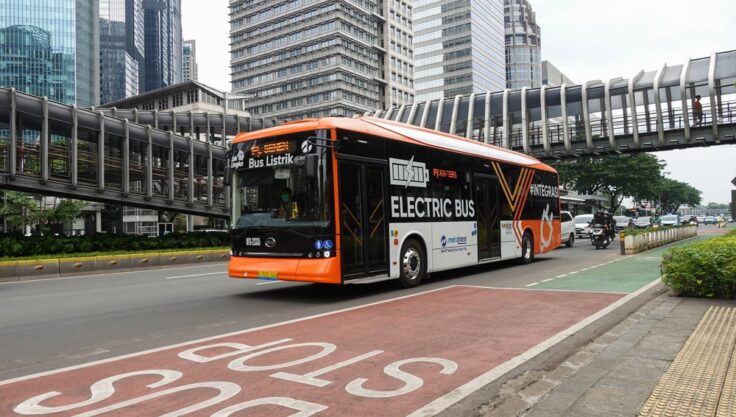
Central to ITDP’s call is the need to scale up electric public transport as a cornerstone of every country’s energy security and economic resilience strategies. Transitioning mass public transport, especially bus fleets, to electric vehicles and infrastructure can be transformative for global cities. When supported by clean and reliable energy grids, this shift will dramatically reduce dependence on imported fossil fuels, lower costs, and protect individuals and economies from volatile energy markets.
“This UN Decade cannot just be another opportunity for meaningless declarations,” says Heather Thompson, CEO of ITDP.
Watch the recording of the UN’s launch event here.
“We have the technology, expertise, and proven solutions to make transport systems better, more reliable, and more equitable. What is missing is the political will and the financial investments to make it happen. Policies, technologies, and resources are there; what is needed is for those in power to act. It is now up to our global institutions and national decision-makers to ensure that we see real action over the next decade.”
ITDP emphasizes that making such progress over the next decade will require strong coordination across governments and sectors. National Finance and Transport Ministries especially must work together to align their budgets, subsidies, and policies with long-term sustainability targets. Collecting more data and evidence on the economic and health benefits of sustainable transport will also be key to helping finance leaders make informed, strategic decisions. As most public transport systems remain chronically underfunded, developing financing mechanisms and structuring more public-private partnerships to support them are crucial on the road to 2035.
Read the UN’s full implementation plan document here.
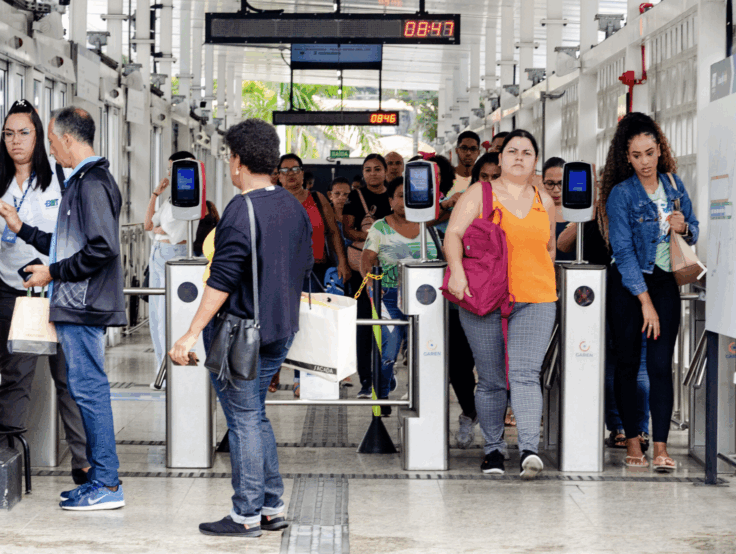
The necessary technical, financial, and policy solutions already exist to support electric mobility. In fact, electrifying public transport represents a vital new engine for economic and social growth. Better public transport services mean increased access to services, education, and job opportunities for more people, as well as significant cost savings for household budgets. On a broader level, further investments in charging infrastructure, battery production, and electric vehicle manufacturing can create jobs, stimulate local industries, and attract international investment. For governments struggling with debt or fuel subsidies, redirecting funds toward sustainable transport can ease fiscal pressure and help meet climate and energy targets.
The benefits for air quality and public health are also significant, and many cities urgently need them. The impacts of tailpipe and non-tailpipe emissions from gasoline-burning vehicles are demonstrably linked to higher rates of respiratory and cardiovascular diseases in cities. Transport electrification can significantly improve air quality, directly benefiting users and communities living near high-emitting transit hubs. What’s more, a lack of accessible public transport options also has significant implications for road safety, often forcing people to choose more dangerous journeys while increasing their vulnerability to vehicle collisions and air pollution. Reshaping urban transport would not only save economies billions of dollars in avoided healthcare costs, but ultimately save numerous lives.
The UN Decade of Sustainable Transport needs to be an urgent call to align global ambition and partnerships with dedicated resources to encourage more governments and cities to build clean, inclusive transport systems for all communities.
This means stakeholders must focus on turning vision into tangible policies and resources that can be implemented and scaled globally.