March 26, 2025

ITDP was founded on a simple but powerful principle: everyone has the right to access opportunities, culture, services, and communities within their city. Achieving this vision requires cities to embrace a sustainable, equitable, and holistic approach to mobility — anchored by high-quality, safe, and reliable mass transit. But transport alone is not enough. A truly inclusive city integrates land use, infrastructure, and amenities that serve all residents, especially the most vulnerable.
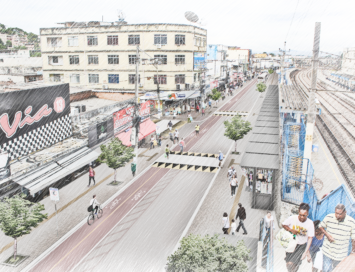
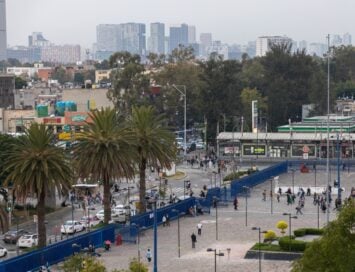
This challenge is particularly urgent in the Global South, where rapid urbanization is reshaping cities at an unprecedented pace. Many of these cities face severe congestion, air pollution, and inequitable access to jobs and services. Without decisive action, car-centric growth will deepen inequality and accelerate climate impacts. Sustainable urban development offers a clear alternative: compact, connected cities where people, activities, buildings, and public spaces are integrated — supported by walking and cycling networks and excellent transit access to the broader city.
Inclusive access means ensuring that everyone — regardless of income, gender, or ability — can reach opportunities through the most efficient and healthful mix of mobility options, at the lowest financial and environmental cost, and with resilience to disruptions. For cities in the Global South, this approach is not just about sustainability; it is about creating pathways out of poverty, reducing social exclusion, and building economic resilience. Sustainable development is the foundation for long-term economic growth, equity, shared prosperity, and vibrant civic life. By designing cities that prioritize people over cars, we can build urban spaces that are healthier, more resilient, and more just for everyone.