
November 19, 2026
Meet the 2027 STA Finalists Redefining Sustainable Public Transport
Every day, global cities are working hard to reshape streets, rethink public transport, and create more inclusive, accessible places to live.
Learn more about all of the STA winners in the program’s twenty-year history.
The Sustainable Transport Award (STA) celebrates the leaders of this change by honoring and elevating the cities making bold choices that put sustainable mobility and residents’ quality of life first. Since 2005, ITDP and the STA Committee have recognized cities of all sizes for advancing innovative transportation strategies that reduce emissions, expand access to opportunities, and build more equitable and resilient communities. Beyond celebrating outstanding achievements in policy and infrastructure, the STA provides an important platform for knowledge exchange, peer learning, and the sharing of approaches that can inspire cities worldwide.
Selected from a competitive pool of applicants, the six finalists for the 2027 Sustainable Transport Award represent cities across Africa, Asia, North America, and South America. From expanding public transportation networks and advancing zero-emission mobility to reimagining streets and improving connections between neighborhoods, these cities demonstrate how bold leadership and sustained investment can address some of today’s most pressing urban mobility challenges.
While each city faces distinct geographic, economic, and institutional circumstances, their efforts share a common ambition: to put people at the center of urban transportation. Meet the six finalist cities below.
Addis Ababa, Ethiopia
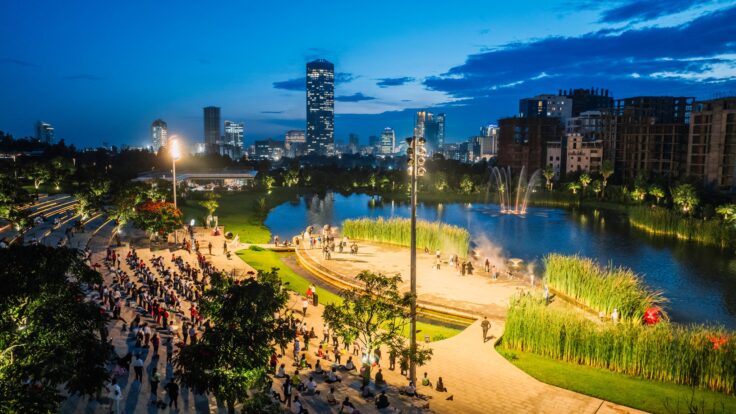
As one of Africa’s fastest-growing capitals, Addis Ababa faces growing pressure from urban expansion, traffic congestion, and rising vehicle ownership. Since walking and public transport already account for most daily trips, the city is strengthening its mobility network by investing in transit, pedestrian infrastructure, and cycling facilities. Between August 2024 and February 2026, Addis Ababa delivered more than 200 km of pedestrian walkways and 150 km of protected cycling tracks, with another 30 km of cycling infrastructure underway. The city is also advancing the 15.6 km BRT Line 2 and has deployed 110 electric buses, with plans to add 500 more. Together, these investments reflect a coordinated, citywide approach to making walking, cycling, and public transport central to urban mobility.
Casablanca, Morocco
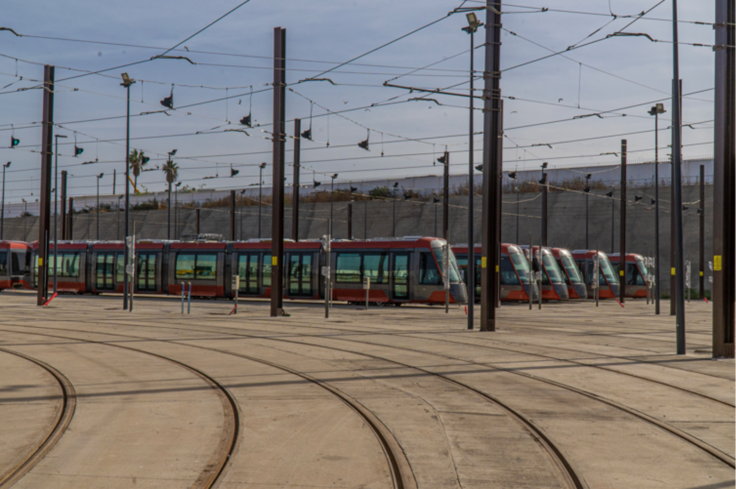
As Morocco’s largest city and a major economic center, Casablanca must connect a rapidly growing metropolitan population while tackling congestion and increasing demand for reliable public transport. To improve links between neighborhoods, the city has been expanding its tramway and BRT networks. Tramway Lines T3 and T4 added 26 km to the city’s high-capacity public transport network, linking previously underserved neighborhoods with employment centers, universities, and major transport hubs. Alongside two Busway lines, they form an integrated six-line network with a unified ticket and free transfers, making reliable public transport more accessible and affordable.
Elevating the stories of cities that are implementing well-managed, well-funded, zero-emission transport is central to ITDP’s 2030 strategy.
Chennai, India
Chennai’s extensive bus and suburban rail networks have long been the backbone of mobility for millions of residents. But growing reliance on private vehicles and gaps between public transport services have created new challenges. In response, the city is working to improve multimodal integration, expand access, and make walking and cycling safer. Chennai has strengthened metropolitan transport governance by operationalizing the Chennai Unified Metropolitan Transport Authority (CUMTA), launching a 25-year Comprehensive Mobility Plan, and introducing Chennai One, an integrated ticketing app for buses, metro, and suburban rail. The city has also adopted performance-based contracts to support the deployment of electric low-floor buses. Meanwhile, its Gender and Policy Lab has helped incorporate safety into infrastructure improvements, including upgrades to 75 bus stops.
Montréal, Canada
Montréal has become a North American leader in sustainable mobility, supported by its extensive public transit system and expanding network of protected cycling routes. As the city pursues its long-term climate and urban development goals, it is strengthening connections among public transit, walking, and cycling. The redevelopment of Henri-Bourassa Boulevard transformed a major car-oriented corridor into a more complete street, with safer, continuous pedestrian and cycling facilities, improved transit, and greater universal accessibility. Developed in close partnership with the Société de transport de Montréal (STM), the project progressed from concept to construction in less than a year, showing how coordinated planning can quickly rebalance public space for everyone.
Quito, Ecuador
Situated in the Andes, Quito faces distinct geographic and urban development challenges in connecting communities across its long, narrow metropolitan area. Building on its established trolleybus and BRT networks, the city is introducing its first metro line and working to better integrate public transport and improve accessibility. Quito aims to make its Metro the backbone of an integrated public transport network, linking it with BRT, trolleybus, and feeder services through physical and fare integration. The city has also added 60 electric trolleybuses and reported that Metro operations helped prevent an estimated 70,364 tons of CO₂ emissions in 2025 while cutting average travel times by 39.2%. These integration efforts are helping create a more accessible, coordinated system across the metropolitan area.
Hồ Chí Minh City, Vietnam
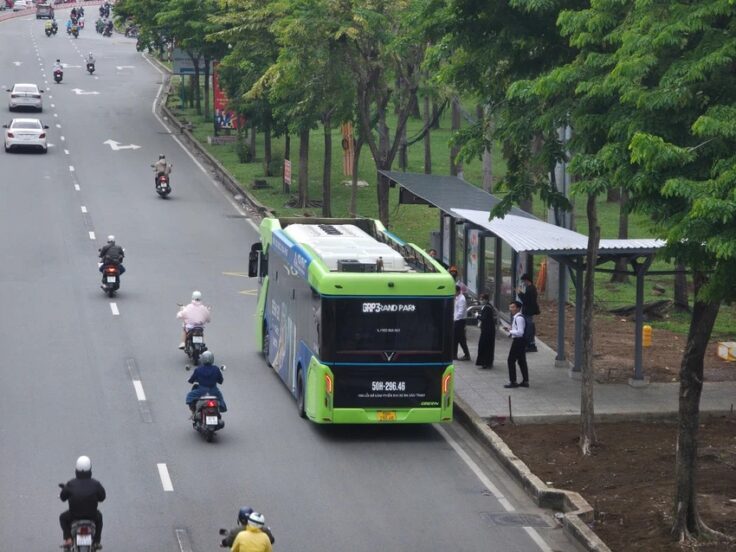
As Vietnam’s largest metropolitan center, Hồ Chí Minh City faces mounting mobility pressures driven by rapid urban growth, rising motorbike ownership, and persistent traffic congestion. The launch of its first metro line marks a major milestone in expanding mass transit and building a more integrated public transport network. The city is also pairing bus electrification with digital ticketing and cycling infrastructure. By early 2026, its subsidized network had 1,171 electric buses and 116 CNG buses in operation, supported by an open-loop payment system and a public bicycle network that includes 1,000 electric bicycles. Together, these initiatives aim to improve first- and last-mile connections and reduce reliance on private motorized transport.
Learn more about the 2026 winner, Salvador, Brazil, in this STA Series webinar.
These six finalists for the 2027 STA show the world that no single path leads to sustainable urban mobility. Whether through investments in public transportation, improved walking and cycling infrastructure, integrated mobility planning, or policies that prioritize accessibility and inclusion, cities can make meaningful progress toward more connected, livable, and climate-resilient communities.
Their achievements also underscore the importance of political leadership, long-term planning, and sustained public investment in building transport systems that serve everyone. By recognizing these cities, the STA celebrates not only individual projects and policies but also the ambition and collaboration required to make sustainable mobility a lasting priority.
In January 2027, ITDP will announce the winners and honorable mentions of the 2027 Sustainable Transport Award and hold the annual award ceremony in February. Stay connected with ITDP for updates and more content highlighting the cities, policies, and people advancing sustainable transport worldwide.