
April 14, 2026

Closing the Gender Gap for Nairobi’s Public Transport

For International Women’s Day, we are sharing perspectives from ITDP’s teams around the world on ways to ensure cities are made safer and more accessible to women and girls.
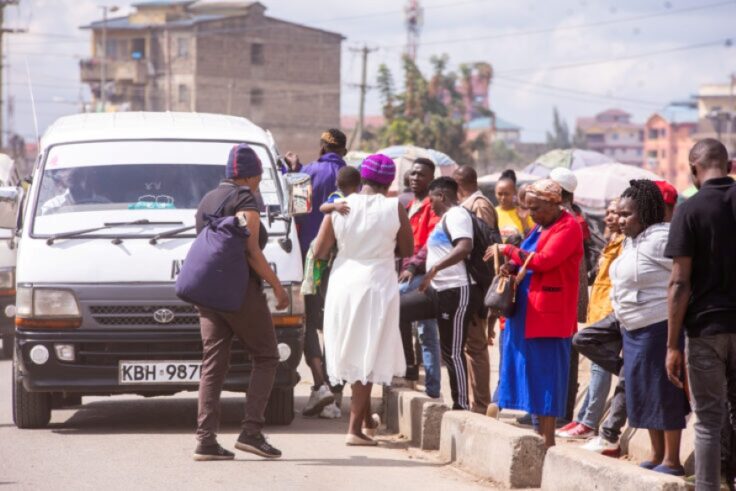
In cities across Africa, transport systems are the backbone of economic and social life — yet they often fail to serve those who rely on them most. In Nairobi, where the majority of daily trips are made by walking, cycling, and public transport, gaps in infrastructure and planning continue to limit access for women, caregivers, and people with disabilities. Addressing these inequities is not just a matter of fairness; it is essential to building a more sustainable, efficient, and inclusive urban future.

Mobility Is Not Gender-Neutral

Urban transport systems are shaped by design decisions: what gets built, where, and for whom. Historically, these decisions have not reflected the diverse needs of all users, especially women. In Nairobi, this has resulted in a system where women face disproportionate barriers to safe, reliable mobility. Unequal investment in infrastructure, combined with limited maintenance, has created unsafe and often hazardous commuting conditions, particularly for those traveling with children, goods, or mobility aids.

Women’s travel patterns also differ significantly from men’s. They are more likely to make “chained trips” by combining work, caregiving, and household responsibilities into a single journey, and often carry goods along the way. These realities demand transport systems that are flexible, accessible, and responsive to complex daily needs. Yet current services frequently fall short, reinforcing a persistent mobility gap.

Ensuring safe and efficient mobility for women also ensures everyone has the right to access their cities equitably.

Safety and Accessibility Remain Critical Barriers

For many women in Nairobi, the daily commute is shaped by concerns about safety and accessibility. Surveys along key transport corridors reveal that harassment is widespread, with a majority of women reporting experiences such as catcalling or physical intimidation. These risks are exacerbated by poor lighting, overcrowded vehicles, and the pressure on drivers to maximize trips, all of which contribute to stressful and unpredictable journeys. Accessibility challenges further compound these issues.

Inadequate pedestrian infrastructure — such as narrow or poorly maintained footpaths, limited crossings, and a lack of ramps — makes it difficult for women, particularly those with disabilities or caregiving responsibilities, to access public transport. In some areas, the absence of basic amenities like shelters, toilets, and safe waiting areas forces women to alter their travel behavior or avoid certain routes altogether. These barriers are not isolated inconveniences; they represent systemic failures that restrict access to jobs, education, and healthcare. When mobility is limited, so too are economic and social opportunities.

A System in Transition

Despite these challenges, Nairobi stands at a pivotal moment. The city is investing in a more structured and integrated transport system, including the development of bus rapid transit (BRT) corridors and expanded non-motorized transport networks. These initiatives present a critical opportunity to embed gender inclusion into the foundation of future mobility.

Efforts led by ITDP Africa and partners are already helping to shape this transition. Through surveys, focus groups, and infrastructure assessments along planned corridors, stakeholders are gaining a clearer understanding of how different groups experience the transport system. This data-driven approach is essential to designing solutions that respond to real needs, whether that means improving last-mile connectivity, ensuring accessible station design, or addressing safety concerns through better lighting and security.

Watch this video from ITDP highlighting accessibility issues for communities in Nairobi.

Designing for Inclusion

Creating a gender-inclusive transport system requires more than incremental improvements— it demands a shift in how cities approach planning and design. First, infrastructure must prioritize universal accessibility. This includes continuous, well-maintained sidewalks, safe crossings, and stations equipped with ramps, clear signage, and adequate space for all users.

Second, service design must reflect the realities of women’s travel patterns. Reliable, frequent service across interconnected routes can reduce travel times and better accommodate trip chaining. Integrating different modes such as buses, walking, and cycling ensures that journeys are seamless from start to finish.

Third, safety must be embedded into every aspect of the system. Well-lit streets and stations, trained staff, and clear reporting mechanisms can help create an environment where all users feel secure. Reducing overcrowding through adequate fleet sizes and efficient operations is also key to minimizing harassment and improving the overall travel experience.
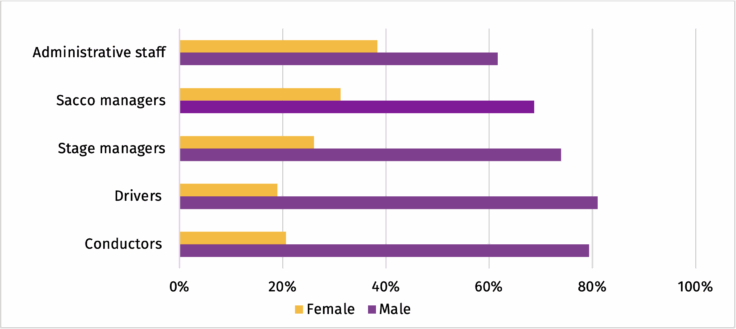
Transport workforce composition (disaggregated by gender) in Nairobi shows that women are underrepresented, despite being a significant portion of the ridership.

Expanding Opportunities Through Inclusion

Beyond infrastructure and operations, the transition to a more formalized transport system offers an opportunity to increase women’s participation in the sector itself. From drivers and operators to planners and decision-makers, greater representation can help ensure that diverse perspectives are reflected in the system’s evolution. Formalization can also bring more stable working conditions, access to training, and financial opportunities for women in transport. Importantly, designing for women benefits everyone.

Safer streets, better lighting, and more accessible infrastructure improve the experience for all users, including children, older adults, and people with disabilities. Inclusive transport systems are also more efficient and sustainable, supporting mode shift away from private vehicles and reducing emissions. Closing the mobility gap in Nairobi is both an urgent challenge and a powerful opportunity.

By prioritizing gender inclusion in transport planning, the city can unlock broader social, economic, and environmental benefits. Accessible, safe, and reliable public transport enables people to participate fully in urban life by connecting them to opportunities and improving overall quality of life. As Nairobi continues to invest in its transport future, the choices made today will shape the city for generations to come.

Placing women and other underserved groups at the center of these decisions is not only the right approach — it is the path toward a more just, resilient, and sustainable city for all.

Subscribe

Sign up for updates on our projects, events and publications.

SIGN UP