
April 14, 2026
Closing the Gender Gap for Nairobi’s Public Transport
For International Women’s Day, we are sharing perspectives from ITDP’s teams around the world on ways to ensure cities are made safer and more accessible to women and girls.
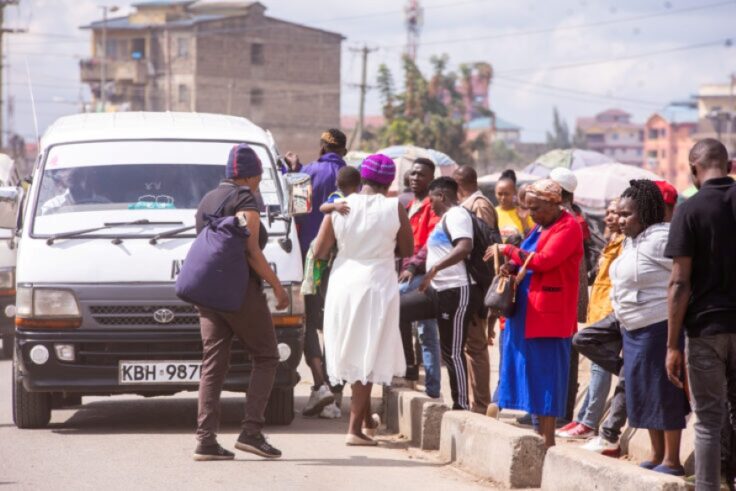
Watch this video from ITDP highlighting accessibility issues for communities in Nairobi.
Designing for Inclusion
Creating a gender-inclusive transport system requires more than incremental improvements— it demands a shift in how cities approach planning and design. First, infrastructure must prioritize universal accessibility. This includes continuous, well-maintained sidewalks, safe crossings, and stations equipped with ramps, clear signage, and adequate space for all users.
Second, service design must reflect the realities of women’s travel patterns. Reliable, frequent service across interconnected routes can reduce travel times and better accommodate trip chaining. Integrating different modes such as buses, walking, and cycling ensures that journeys are seamless from start to finish.
Third, safety must be embedded into every aspect of the system. Well-lit streets and stations, trained staff, and clear reporting mechanisms can help create an environment where all users feel secure. Reducing overcrowding through adequate fleet sizes and efficient operations is also key to minimizing harassment and improving the overall travel experience.
Placing women and other underserved groups at the center of these decisions is not only the right approach — it is the path toward a more just, resilient, and sustainable city for all.