
March 17, 2026
As E-Buses Grow in Indonesia, Workforce Opportunities Must Grow Too
As part of International Women’s Day this month, we will be sharing perspectives from ITDP’s teams around the world on ways to ensure cities are made safer and more accessible to women and girls.
Read the original version of this article from ITDP Indonesia here.
The momentum toward transport electrification is transforming more than just engines and energy sources. It is also creating a powerful opportunity to build a more inclusive and gender-equitable mobility ecosystem in our cities. As Indonesia, for example, begins adopting electric mobility at a larger scale, ensuring that women have equal access to jobs and training in this emerging sector is essential. Indonesia’s electric mobility sector remains in its early stages, facing challenges such as limited charging infrastructure and the need for a workforce trained in new technologies. The electrification of urban bus systems, for instance, requires not only replacing fleets but also adjusting operations, which in turn creates demand for workers with new skills in EV operations and maintenance. This moment of transition offers a significant opening to bring more women into transportation, an industry where they remain underrepresented.
Although around 60% of Transjakarta passengers are women, they account for only about 2% of its drivers. Increasing women’s presence in operational roles can help improve the perception of safety on public transport and enhance the quality of service for vulnerable passengers such as children, the elderly, and persons with disabilities. Because EV technology is still new, both men and women must learn to operate electric buses from the ground up. This offers a strategic opportunity to introduce more women into roles traditionally dominated by men.
Ensuring that women have safe, comfortable access to public transport is key to ITDP’s vision for increasing ridership.
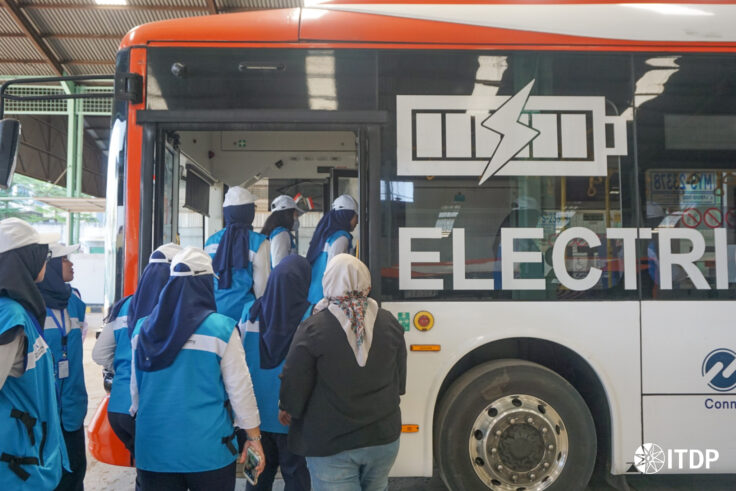
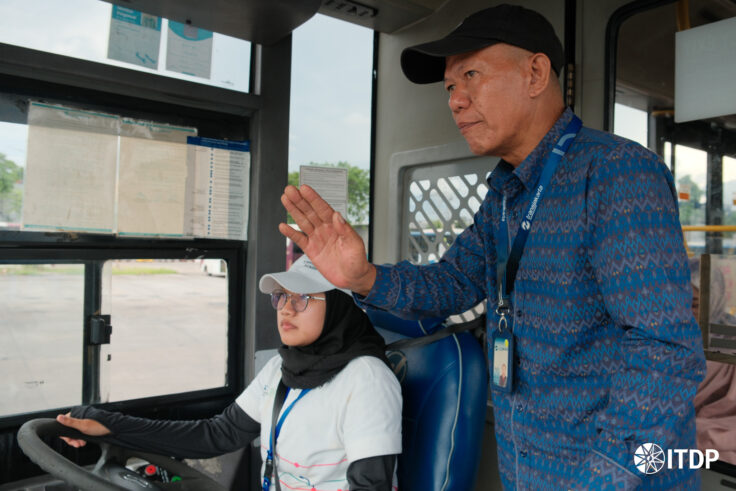
The Transjakarta Academy
In 2025, ITDP Indonesia and Transjakarta, with support from UNEP and BMZ Germany, launched the second stage of Transjakarta Academy, designed entirely for women. This “Women Empowerment Program” conducted open recruitment, accepting applicants even without prior bus-driving experience. This initiative builds on recommendations made by ITDP Indonesia and UNEP in 2024, as well as Transjakarta’s own human resource development plan, which highlighted the low participation of women in the electric mobility sector regionally. In this most recent stage of the Academy, fifteen women were selected for a month-long training program that covered EV technology, safety standards, and both technical and professional competencies. The program also welcomed participants without prior experience driving on buses.
Beyond driving skills, participants learned about gender sensitivity, responses to gender‑based violence, and how to support vulnerable passenger groups to ensure that new drivers are prepared to provide safe and inclusive service. Training included both theoretical exams and practical driving tests, including assessments on actual Transjakarta routes. Thirteen trainees successfully graduated and were officially inaugurated as Transjakarta bus drivers in November 2025 at an event attended by ITDP Indonesia and high-level officials like the Jakarta Governor.
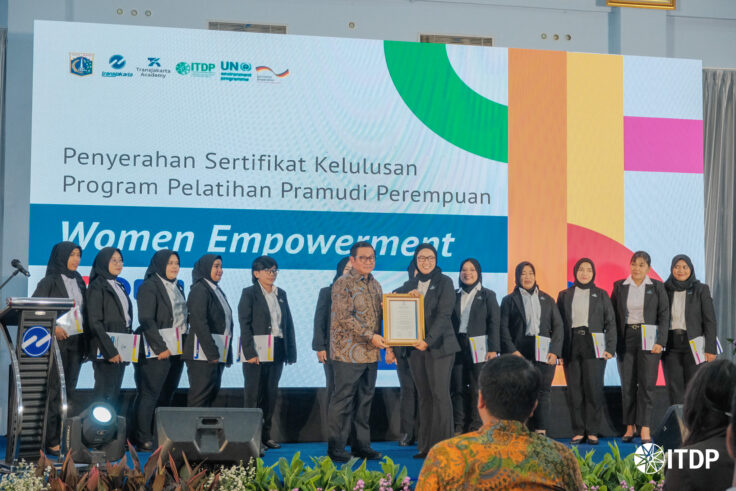
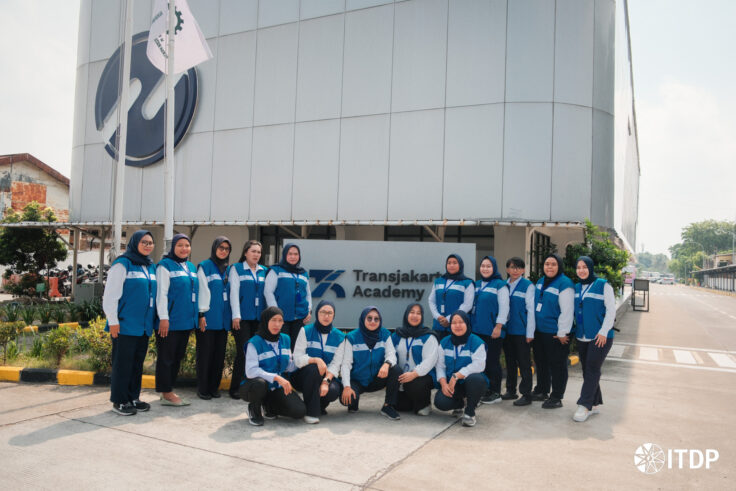
Addressing Other Workplace Barriers
However, findings from the program show that inclusive recruitment alone is not enough. Women drivers continue to face structural challenges (such as early-morning shifts, limited rest time, and inadequate facilities) that disproportionately affect them, while they often shoulder greater caregiving responsibilities at home as well. A useful model for change comes from Bogotá, Colombia’s well-known La Rolita electric bus operator, where over 60% of bus operators and drivers are women.
Their success comes not only from targeted recruitment but also from a transport workforce with leadership that acknowledges gendered responsibilities, at work and at home. La Rolita offers eight-hour shifts, childcare services, lactation rooms, comfortable rest areas, and wages above the regional minimum. By designing gender-responsive working conditions, the company has improved women’s retention and leadership participation while also enhancing service quality and safety. In fact, reports indicate that La Rolita has recorded a lower rate of accident-related injuries compared to other bus operators in the city, while also improving the sense of safety among women passengers.
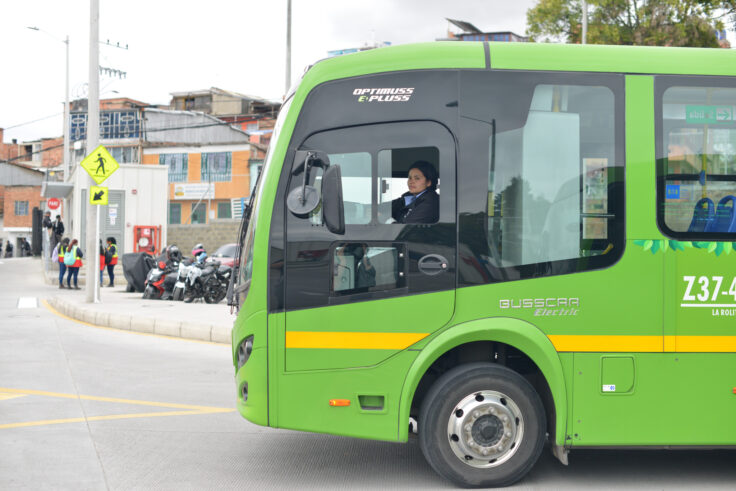
The examples of Transjakarta Academy and La Rolita demonstrate that gender equity in electric mobility requires deliberate, sustained efforts and policies. Opening recruitment to women with no prior experience, offering training and license‑upgrade support, and building awareness within public and private transport institutions are important first steps. Yet long-term inclusion also depends on more comprehensive and supportive working environments across the board — fairer wages, childcare access, and work arrangements that recognize women’s diverse responsibilities.
As Indonesia accelerates its transition to electric transport, integrating gender-responsive measures will be vital to creating safer, more accessible public transport for women, girls, and everyone else.